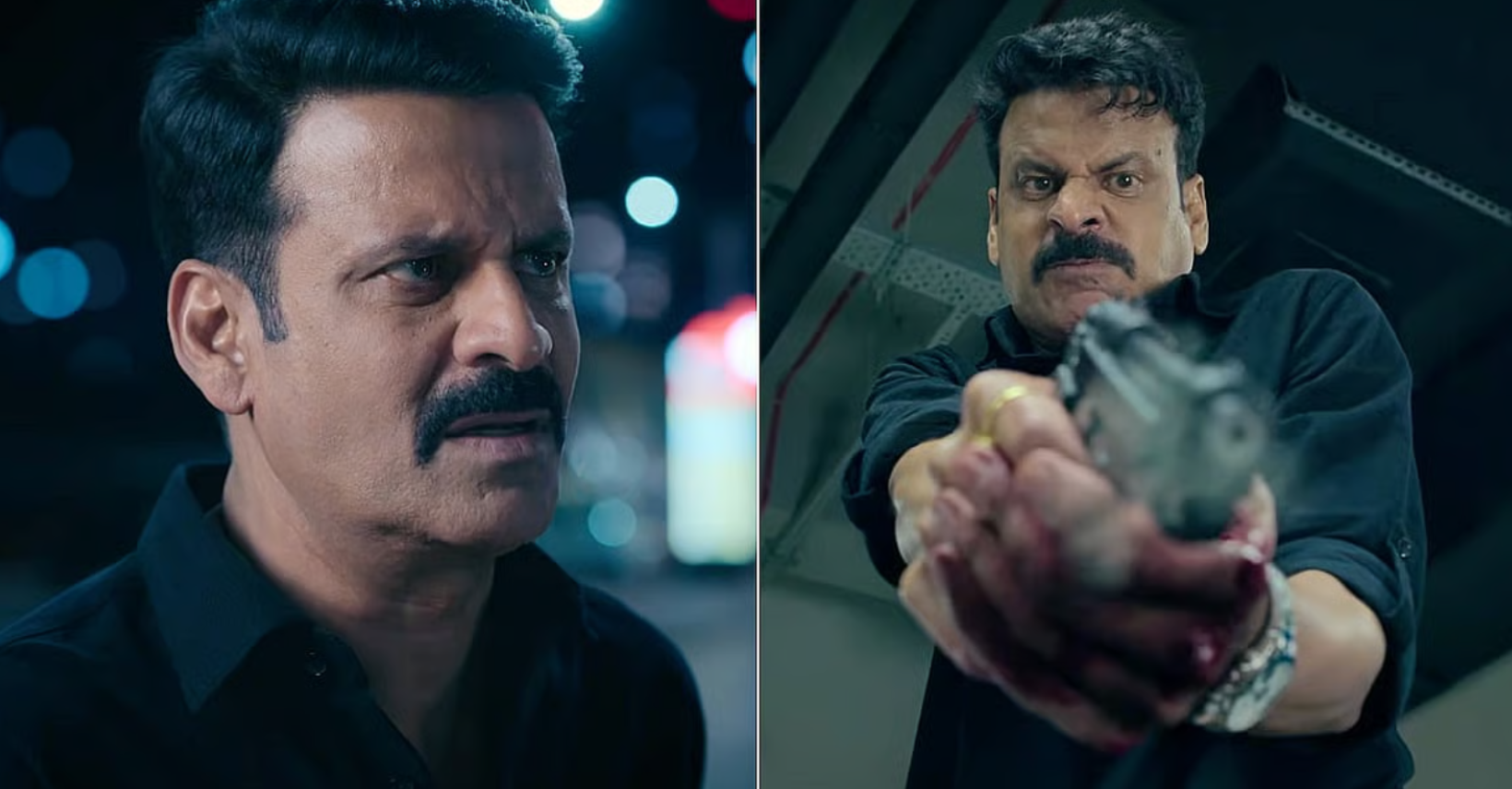
When historians map the visual evolution of Bollywood, they divide it cleanly into two eras: the era before Sanjay Gupta, and the era after him. Before Gupta stepped behind the camera, Hindi action cinema was dominated by raw, muddy, rural avengers. Gupta changed that entirely. He introduced the Indian audience to high-contrast color grading, leather-clad anti-heroes, desaturated green tints, sepia-toned shootouts, and an unmistakable West Coast neo-noir aesthetic.
Following his tragic passing at the age of 57 on October 30, 2026, the film industry lost not just a director, but its premier visual architect. This is the definitive story of his relentless struggle, his cinematic journey, and the hard-earned success that permanently reshaped Indian cinema.
The Early Struggle: A Teenage Dream and Sound Design Roots
Sanjay Gupta did not walk into a waiting film studio; he fought his way in from the absolute margins of the industry. Beginning his journey at the exceptionally young age of 15, he was fueled by a pure, obsessive love for cinema.
Long before he could dictate camera angles, Gupta worked on the technical side of the cutting room, immersing himself in post-production and sound design. He began as an assistant to director Pankaj Parashar, grinding behind the scenes on iconic projects like the cult detective television series Karamchand and the hit movie Jalwa. This early foundation in sound and edit pacing would later become his superpower. Gupta understood rhythm, audio tracking, and tone in a way few other mainstream commercial directors did, allowing him to create movie soundtracks that felt incredibly ahead of their time.
The Breakthrough: Aatish and the Birth of a Signature Style
In 1994, at just 22 years old, Gupta made an explosive directorial debut with Aatish: Feel the Fire. The film starred Sanjay Dutt and Aditya Pancholi, instantly establishing the core foundation of Gupta’s filmography: hyper-stylized brotherhood, shifting loyalties, and high-stakes crime.
Aatish was an instant hit, but Gupta refused to settle into a predictable routine. He followed it with ambitious, gritty thrillers like Ram Shastra (1995), Hameshaa (1997), and Jung (2000). Yet, the industry was still trying to figure out what to do with his Westernized sensibilities. He was frequently criticized for being too radically detached from traditional Bollywood family dramas, yet his work remained undeniably magnetic.
The Pinnacle of Success: Kaante and Changing Bollywood’s Vocabulary
In 2001, determined to own his creative destiny entirely, Gupta established his independent production house, White Feather Films. Under this banner, he orchestrated the crowning achievement of his career: Kaante (2002). Bringing together a legendary ensemble cast including Amitabh Bachchan, Sanjay Dutt, Suniel Shetty, and Mahesh Manjrekar, Kaante was a watershed moment for Indian cinema. Loosely inspired by Quentin Tarantino’s Reservoir Dogs, Kaante was the first Indian film to actively embrace global heist mechanics. Tarantino himself famously watched the film, stating he was deeply honored and thoroughly enjoyed the brilliant subversion of Indian guys coming to the United States to loot an American bank.
With Kaante, Gupta introduced Bollywood to revolutionary production standards:
- The Promo Culture: As director Rahul Dholakia noted, Gupta was arguably the first Indian filmmaker to cut highly stylized promos and slick trailers explicitly to pitch film concepts to major stars and distributors.
- The Visual Tone: He standardized advanced digital intermediate (DI) color grading in India, making the streets of Los Angeles look strikingly glossy, cold, and beautifully cinematic.
Gupta followed this monumental success with equally striking, hard-boiled thrillers like Musafir (2004) and Zinda (2006), solidifying his reputation as the definitive chronicler of the urban underworld.
Deep Personal and Professional Crises: Battling the Odds
For all his outward swagger and slick cinematic output, Gupta’s journey was frequently plagued by extreme adversity. His life was a testament to resilience, constantly bouncing back from setbacks that would have broken lesser creators.
1. The ICU Battle During His Greatest Triumph
In a heartbreaking irony, Gupta was never truly able to celebrate the historic success of Kaante when it hit theaters. While audiences were cheering his name in packed cinema halls, the director was fighting for his life in an ICU. Following a horrific car accident while traveling between Pune and Mumbai, he sustained severe, life-threatening injuries. His recovery was a long, painful test of endurance, requiring him to rebuild his life from scratch just as he reached the absolute peak of his professional career.
Also Read : https://bollywoodmonk.com/ott-vs-theatres-why-we-now-check-ott-before-checking-the-theatre/
2. The Heartbreaking Industry Fallout
In the mid-2000s, Gupta suffered a painful, deeply public professional fallout with his closest friend, muse, and leading man, Sanjay Dutt. The fracture left Gupta virtually blacklisted by major sections of the industry. Work dried up completely.
Recalling that dark phase, Gupta admitted he had almost entirely given up on filmmaking, turning his attention to building a hotel in Khandala just to secure a future for his family. He credited the birth of his son as the ultimate turning point that broke his despair, recalling the moment he asked himself: “Since when have I become a quitter? I started at 15, directed at 22, why am I quitting at 40?”
3. The Glorious Renaissance
True to his relentless nature, Gupta staged an incredible comeback. He pivoted toward real-life Mumbai gangland history, writing and producing the blockbuster Shootout at Lokhandwala (2007), and later directing Shootout at Wadala (2013). He proved his incredible versatility yet again by directing Aishwarya Rai Bachchan in her highly anticipated return to cinema with Jazbaa (2015), and delivering the massive commercial revenge drama Kaabil (2017) starring Hrithik Roshan.
The Legacy: A Visionary Who Taught Bollywood How to Look Cool
Sanjay Gupta’s passing marks the end of an era, but his influence remains deeply embedded in the DNA of contemporary Indian cinema. Long before streaming platforms brought international neo-noir thrillers to Indian households, Gupta was independently preparing domestic audiences for that exact global aesthetic.
He was a passionate narrator, an absolute encyclopedia of global cinema, and a filmmaker who lived his life with the same unapologetic, high-octane energy that he projected onto the silver screen. Whenever a modern Indian director uses a stylish wide-angle shot, an intense desaturated color palette, or a slow-motion walk of anti-heroes against an urban backdrop, they are operating directly in the house that Sanjay Gupta built.