
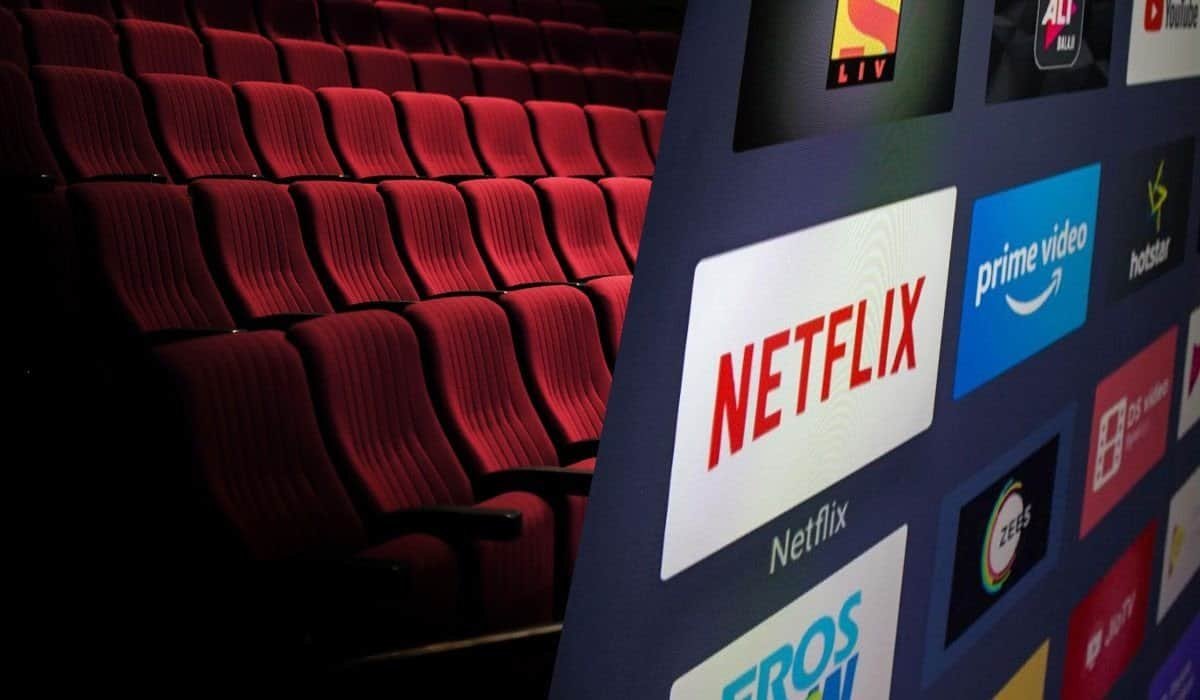
“Is it worth watching in theatres?” Today, this question has become almost as important as “Is the movie good?” And sometimes, the answer comes from the same place: “Don’t know. It’ll be on OTT soon anyway.” That one sentence quietly explains one of the biggest transformations in the Indian entertainment industry.
For decades, theatrical cinema was the main event, while television offered a film its second life. Today, however, a third stage has emerged that can completely reshape a movie’s journey: OTT (Over-the-Top) streaming platforms. And audiences have adapted faster than the film industry might have expected.
The Living Room Has Become a Cinema
Streaming platforms have removed one of the biggest barriers between audiences and films: convenience. You no longer need to wait for the 7:30 pm show, travel to a multiplex, struggle with parking or spend a considerable amount on tickets, especially when watching with family.
With OTT, you can watch a film whenever you want, wherever you want. You can pause it, resume it later or simply switch it off if it fails to hold your attention.
Theatre, on the other hand, demands commitment. OTT asks for a subscription and offers hundreds of choices. A theatrical experience requires time, travel and additional spending.That creates a significant psychological difference in how audiences approach a film.
OTT Didn’t Kill Theatres. It Changed the Competition.
The popular argument that OTT has killed theatrical cinema is an oversimplification.
India’s digital video audience continues to expand, with millions of viewers embracing streaming platforms and connected televisions. Yet theatres continue to attract audiences when a film offers something worth experiencing on the big screen.
Big-budget spectacles, major stars, event films and stories that generate collective excitement still have the power to bring people to cinemas.
Theatre is no longer competing with Netflix, Amazon Prime Video and other streaming platforms on convenience.
It is competing on experience.
A spectacular action sequence, breathtaking visuals, powerful sound design or the excitement of watching a major release with hundreds of other people can still make a theatre visit worthwhile.
The challenge for filmmakers is to understand what makes their film a theatrical experience rather than simply another title in an OTT library.
The Theatrical-to-OTT Window: A New Business Equation
One of the most significant changes in the entertainment business is the growing importance of the journey between theatrical release and streaming premiere.
For streaming platforms, theatrical films can offer considerable value. A successful theatrical release creates visibility, builds audience curiosity and generates conversations around a film.
That attention can eventually translate into streaming demand.
The film then reaches another audience through OTT, often finding viewers who may not have watched it in theatres.
This creates an interesting business equation:
A theatrical release generates attention. Attention creates demand. Demand adds streaming value. And streaming gives the film a second opportunity to connect with audiences.
In this ecosystem, theatres and OTT platforms are not necessarily enemies. They can be two stages of the same business model.
However, the timing of the OTT release also matters. If audiences expect a film to arrive on streaming platforms too quickly, the urgency to watch it in theatres may naturally decline.
Finding the right balance between theatrical exclusivity and streaming availability has therefore become an important business decision for producers and distributors.
The Audience Has Become a Professional Selector
Perhaps the biggest change is in audience behaviour.
Today’s moviegoer is no longer simply consuming whatever is available. They research before making a decision.
They watch trailers, read reviews, follow social media reactions, check ratings, listen to friends and compare ticket prices with the possibility of watching the same film at home a few weeks later.
And sometimes, they simply decide:
“I’ll watch it next month.”
For the viewer, this is a perfectly reasonable decision. For a theatrical release, however, it can be damaging.
A film’s theatrical business often depends heavily on its opening weekend and the momentum it manages to build in the first few days.
When a significant section of the audience decides to wait for OTT, even a film with decent awareness and curiosity can struggle to translate that interest into ticket sales.
The audience hasn’t necessarily rejected the film. It has simply postponed the decision.
And in the theatrical business, postponement can be almost as damaging as rejection.
OTT Has Also Changed the Definition of Stardom
Streaming has done something else that the traditional film industry cannot ignore: it has widened the definition of stardom.
Actors who may not have been conventional theatrical stars can now become household names through web series and streaming films.
A compelling performance in a successful series can create recognition, popularity and a loyal audience without requiring a massive theatrical opening.
It has also changed how audiences perceive supporting actors, character artists and newcomers.
Sometimes, an actor who appears in only a few episodes walks away with the entire show.
The internet, as usual, has very little respect for the old hierarchy.
Stardom is no longer built exclusively through box-office numbers. It can also emerge through memorable performances, digital visibility, audience engagement and cultural relevance.
This has created new opportunities for actors, writers, directors and storytellers who may previously have struggled to find space in mainstream theatrical cinema.
What Does the Future of Cinema Look Like?
The future is unlikely to be a simple battle between OTT and theatres.
It is more likely to be an interconnected entertainment ecosystem involving:
- Theatrical cinema
- OTT platforms
- Social media
- YouTube
- Podcasts and digital interviews
- Short-form video content
A film’s journey no longer ends with its theatrical release.
Its poster becomes an Instagram Reel. Its dialogues become memes. Its interviews become podcast clips. Its songs find a second life on YouTube and short-video platforms. Eventually, the film may become an OTT recommendation.
And sometimes, a five-year-old movie can suddenly become popular again because someone rediscovers it online.
Every platform offers a different opportunity to connect with audiences.
For filmmakers and producers, understanding this larger ecosystem is becoming just as important as making the film itself.
The Real Challenge Is Giving Audiences a Reason
The cinema audience hasn’t disappeared. It has simply become more selective.
OTT has given viewers more control over what they watch, when they watch it and how much they spend on entertainment.
That freedom has changed the economics of theatrical cinema, but it has not made the big-screen experience irrelevant.
Perhaps the biggest lesson OTT has taught the film industry is this:
Don’t assume people won’t watch your movie because they have too many choices. Assume they will watch it only when you give them a reason.
Because today, making a good film is important. But convincing someone to leave the comfort of their living room, buy a ticket and experience it in a theatre has become an entirely different challenge.
2 thoughts on “OTT vs Theatres : Why We Now Check OTT Before Checking the Theatre?”