Prahaar: The Untold Story of Ujjwal Nikam. Discover how Rajkummar Rao shines despite the film’s pacing issues and intense controversies.
Avinash Arun Dhaware’s Prahaar: The Untold Story of Ujjwal Nikam arrives with the heavy burden of chronicling some of India’s darkest historical chapters, most notably the 26/11 Mumbai terror attacks. Backed by Maddock Films, the biographical drama attempts to walk a thin tightrope between a grand cinematic tribute to India’s most high-profile public prosecutor and a realistic, procedure-driven legal procedural. The result is a compelling but uneven cinematic experience that earns its points for restraint but loses momentum to predictable biographical tropes.
The Plot and Atmosphere
The film follows the relentless legal career of Ujjwal Nikam, tracking his trajectory from the aftermath of the 1993 Bombay blasts to the media circus and security nightmare surrounding the trial of Pakistani terrorist Ajmal Kasab.
Director Avinash Arun deserves immense credit for bypassing the low-hanging fruit of chest-thumping jingoism. Instead of loud monologues, Prahaar anchors itself in the exhausting, meticulous realities of the Indian legal system. It details the administrative struggles, the weight of public anger over delayed justice, and the sheer psychological toll of defending the rule of law under the global spotlight. The second half, which primarily handles the high-stakes courtroom cross-examinations, stands out as a tightly wound, absorbing piece of cinema.
Standout Performances
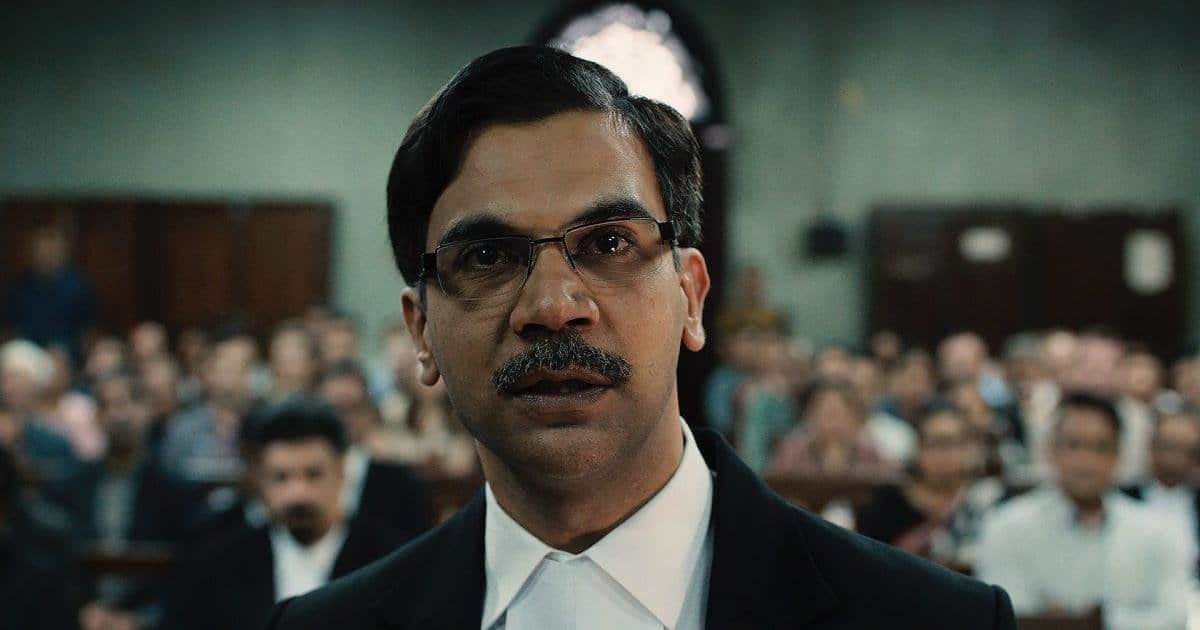
The film’s greatest triumph lies in its casting. Rajkummar Rao steps into the shoes of Ujjwal Nikam with commendable precision. He avoids turning Nikam into an untouchable superhero, choosing instead to portray him as a hyper-focused, occasionally flawed man carrying the weight of a nation’s expectations. Rao captures Nikam’s sharp courtroom authority and distinct body language without veering into caricature.
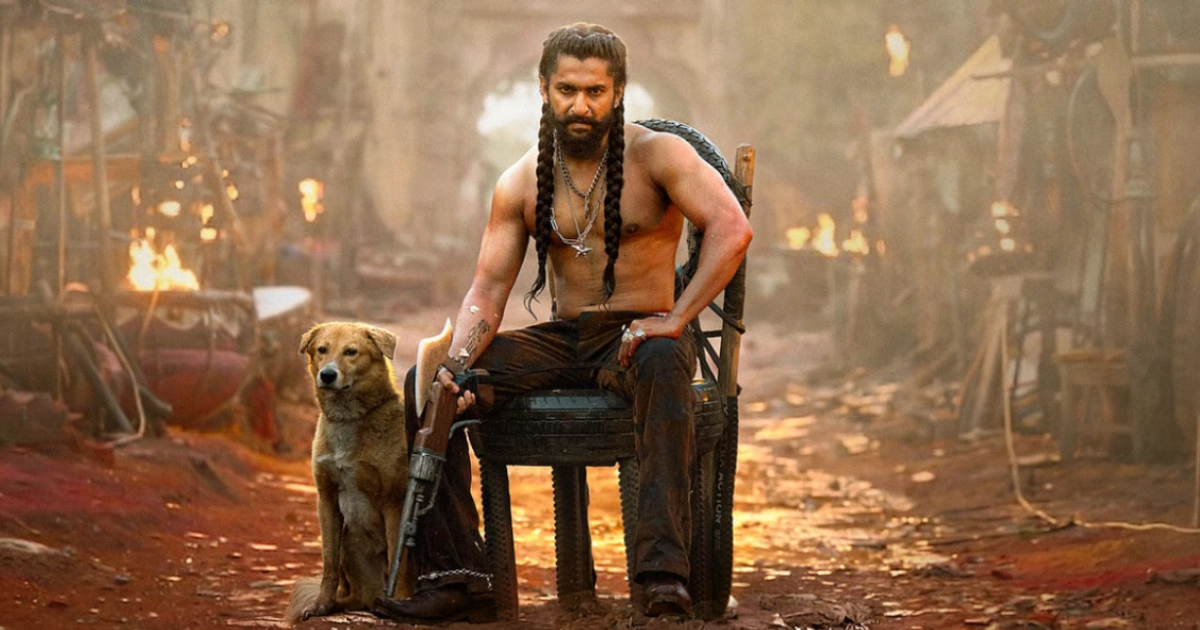
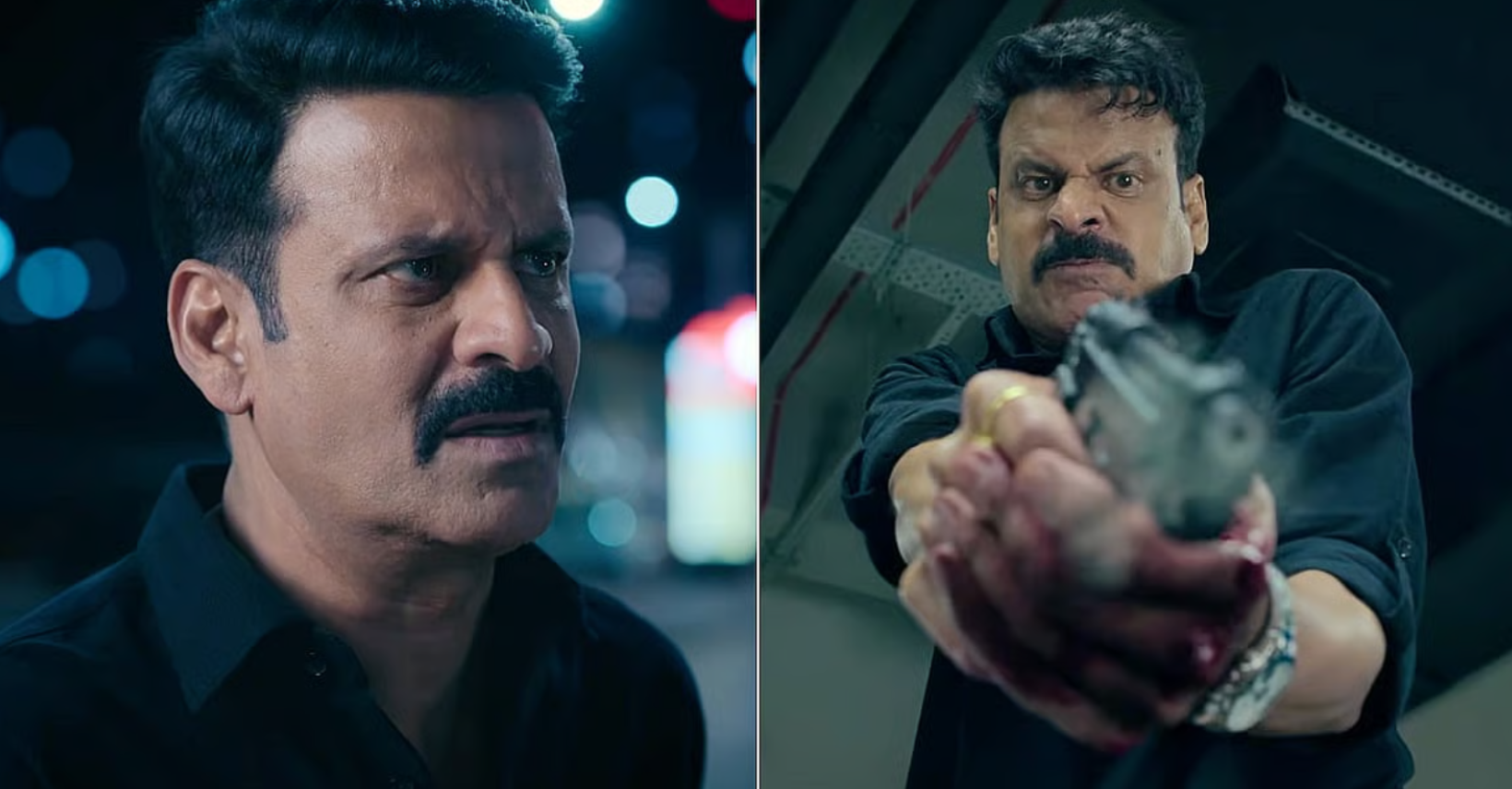
However, the true revelation of the film is Lalit Prabhakar as Ajmal Kasab. Prabhakar portrays the young terrorist with a chilling, vacant coldness that avoids theatrical villainy. His physical precision and quiet malice add a palpable layer of tension to every frame he occupies. The supporting cast, featuring Wamiqa Gabbi, Jaideep Ahlawat, and Sikandar Kher, provides solid, understated backing, even if their screen time is severely limited.
The Biryani Myth and Classroom Politics: The Controversy
Where the film truly sparks intense public debate—and a fair amount of controversy—is how it handles the real-life contradictions of its protagonist. Prahaar has drawn significant scrutiny for leaning into the infamous “biryani myth”. The film recreates the flashpoint where Nikam fabricated a story to the press claiming that Kasab had demanded and been fed mutton biryani in jail—a tactic the real Nikam admitted years later was entirely made up to sway public sentiment away from humanising the terrorist.
By framing this lie as a calculated, patriotic masterstroke rather than an ethical breach, the movie has polarized audiences. While some viewers view it as a necessary strategy in a media war, others criticize the film for glorifying a distortion of historical truth.
Furthermore, the narrative takes a sharp look at societal fractures, explicitly highlighting the systemic hostility and Islamophobia faced by Kasab’s defense lawyer, Abbas Kazmi (played by Sikandar Kher). By depicting how Kazmi was vilified by the public simply for doing his institutional duty, Prahaar pushes buttons that make for an uncomfortable, politically charged viewing
experience.
Where the Film Falters
Despite its noble intentions and technical polish, Prahaar suffers from a glaring identity crisis in its first half. The pacing is noticeably sluggish as the script attempts to balance the legal narrative with Nikam’s personal life. The domestic subplots—meant to humanise the protagonist—often feel generic, halting the momentum built by the impending trial.
Furthermore, while the script tries hard to stay grounded, the background score routinely betrays this subtlety. The loud, melodramatic music repeatedly forces emotional cues on the audience, acting as a disruptive contrast to the otherwise sober realism of the visuals.
The Verdict
Prahaar: The Untold Story of Ujjwal Nikam is an honest, well-intentioned film that respects its audience’s intelligence by focusing on constitutional due process rather than easy propaganda. It features spectacular, award-worthy performances from Rajkummar Rao and Lalit Prabhakar. However, narrative drag, an overbearing background score, and the ethical gray areas of its biographical choices keep it from achieving absolute greatness. It remains a thoroughly watchable, respectable addition to the Indian courtroom genre, even if it doesn’t entirely deliver a flawless verdict.
Rating: 3 / 5 Stars