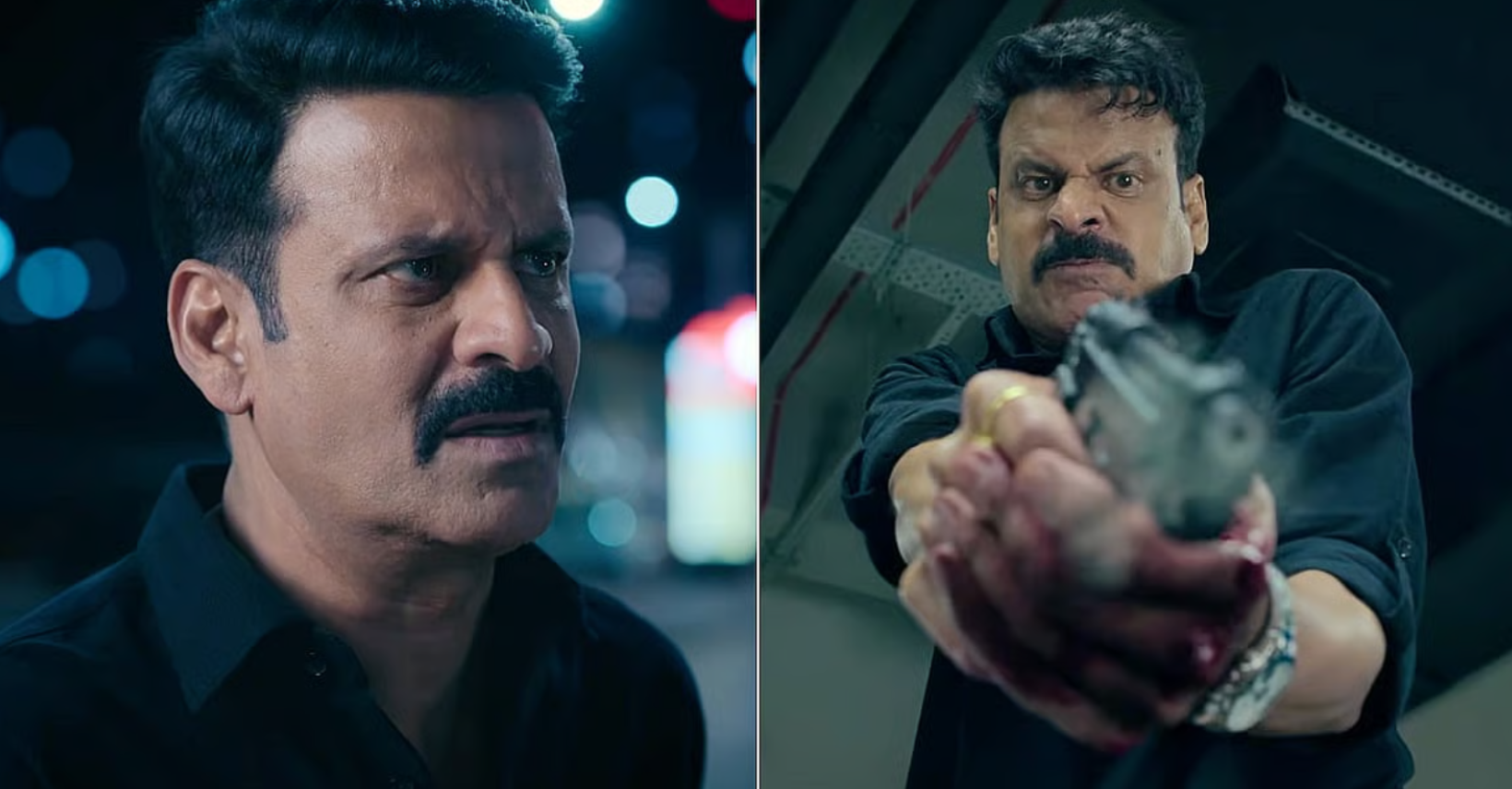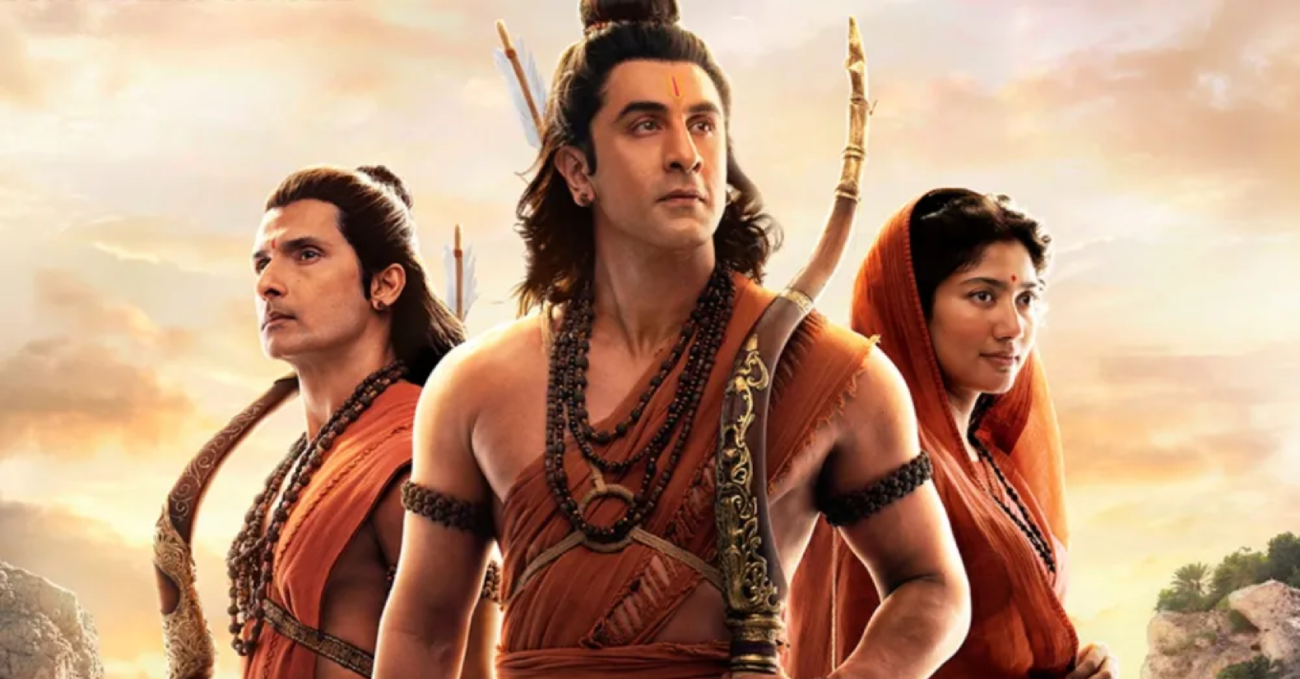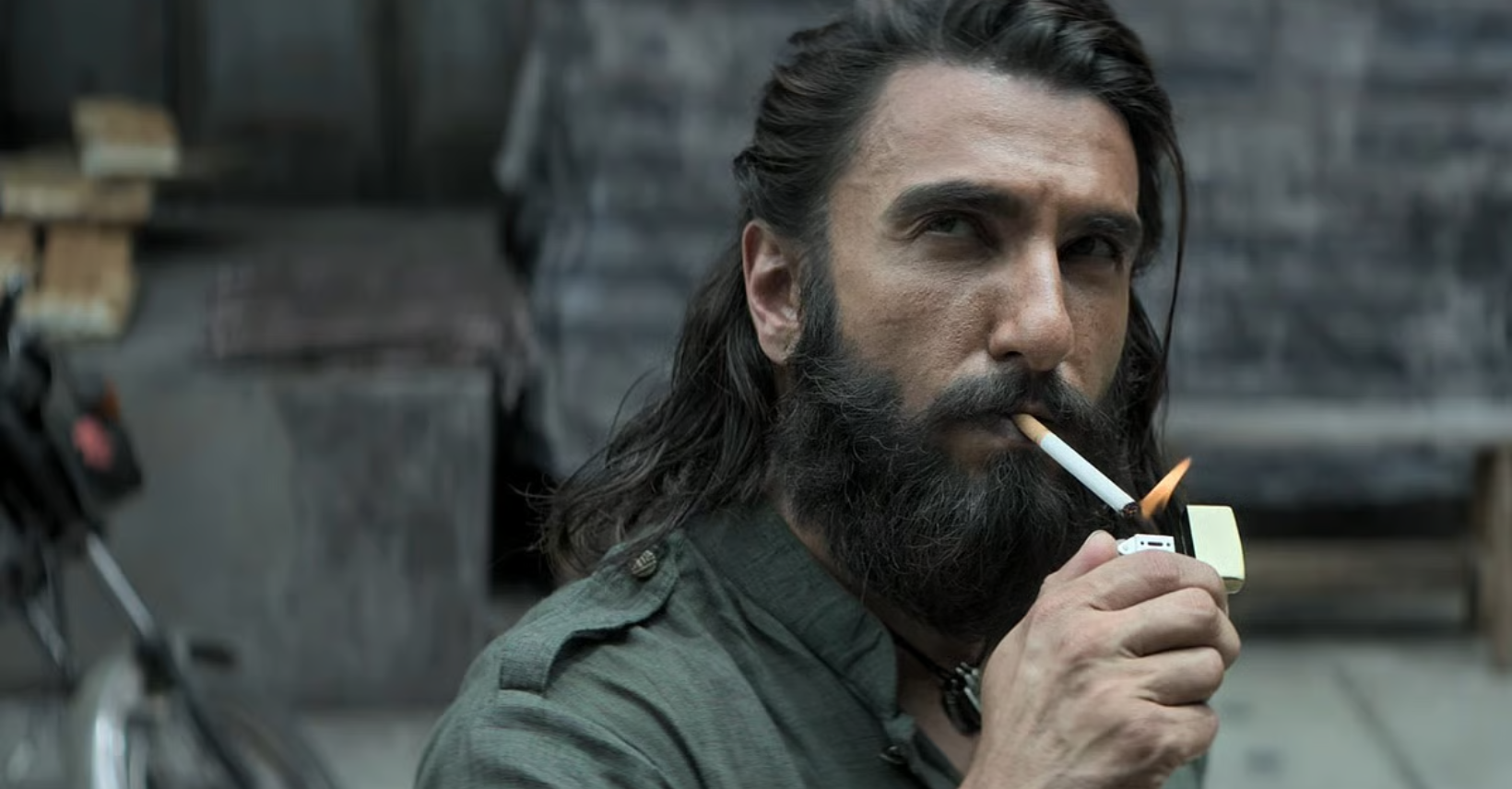
When director Aditya Dhar’s sprawling espionage saga was split into a two-part cinematic event—Dhurandhar and Dhurandhar: The Revenge—it didn’t just break box office records. It permanently disrupted the landscape of the Indian music industry. In an era where Hindi film music is frequently criticized for being assembly-line corporate pop, the Dhurandhar duology accomplished something historic: it placed underground hip-hop, ancient Punjabi folk, Arabic Raï, and classical Indian ragas onto the Spotify Global Top 200 charts.
Led by the uncompromising vision of National Award-winning music director Shashwat Sachdev and the poetic genius of lyricist Irshad Kamil, this musical universe proved that a cohesive artistic vision can outperform data-driven commercial algorithms.
Part 1 vs. Part 2: The Evolution of a Sonic Universe
Sachdev did not approach the project as two separate movies. He composed the music as a singular, evolving narrative block. This gave the duology a rare thematic continuity, where the music itself mirrors the psychological descent of the characters.
Dhurandhar: The Collision of Heritage and Hype
The first installment introduces audiences to a hyper-modern, high-stakes world where traditional Indian heritage crashes headfirst into global street culture.
- “Dhurandhar – Title Track”: A thunderous anthem that samples vintage archival Punjabi folk vocals by Muhammad Sadiq and Ranjit Kaur, layering them over hard-hitting trap beats and explosive verses from global breakout star Hanumankind and Jasmine Sandlas.
- “Ishq Jalakar – Karvaan”: A brilliant deconstruction of classical form. Sachdev takes the structural essence of traditional Qawwali and filters it through spacey, analog electronic synths, brought to life by the raw, soaring vocals of Shahzad Ali and Subhadeep Das Chowdhury.
- “Run Down The City – Monica”: A high-octane track that flips iconic retro hooks from the legendary era of R.D. Burman and Asha Bhosle, injected with fierce verses by independent hip-hop artist Reble.
Dhurandhar: The Revenge: Darkness and Deconstruction
As the narrative shifts into betrayal and political paranoia in the second film, the music sheds its upbeat production and embraces a darker, industrial, and spiritual tone.
- “Aari Aari”: The crown jewel of the sequel. Sachdev repurposes the nostalgic 2003 club anthem by the Bombay Rockers, turning it into a cinematic war cry with a powerhouse ensemble featuring Khan Saab, Reble, Jasmine Sandlas, and international rapper Token.
- “Jaan Se Guzarte Hain”: A haunting electronic track that weaves the timeless archival vocals of Ustad Nusrat Fateh Ali Khan with contemporary electronic sub-bass, acting as the spiritual backbone of the film’s climax.
- “Didi (Sher-E-Baloch)”: A multicultural Arabic-fusion track that enlists the legendary Algerian King of Raï, Khaled, alongside the Kuwaiti hip-hop duo Sons of Yusuf, grounding the film’s international geo-political stakes in authentic sound.
How Sachdev and Kamil Cracked the Hit Formula
The tracks became monumental hits because they rejected the sterile perfection of modern studio production in favor of human flaw, narrative integration, and immense lyrical depth.
1. The Poetic Depth of Irshad Kamil
While Sachdev built the sonic landscape, Irshad Kamil provided its soul. In an era of disposable, easily rhymed lyrics designed only for short video loops, Kamil delivered high literature.
- In “Ishq Jalakar – Karvaan”, instead of writing standard romantic tropes, Kamil explores the terrifying, transformative nature of absolute devotion, using Sufi metaphors where love demands total self-annihilation.
- For the darker tracks in Part 2, his poetry shifts toward themes of moral ambiguity, betrayal, and the heavy spiritual cost of vengeance. Kamil’s words gave the hip-hop verses a grounded, literary weight that made them resonate deeply with listeners who value substance over superficial hooks.
2. Narrative Integration Over Promotional Fluff
In standard commercial Bollywood, songs are often treated as breaks in the script—excuses to feature actors dancing in exotic locations. Dhurandhar uses music as a narrative weapon. A prime example is actor Akshaye Khanna’s entry scene as Rehman Dakait. The sequence was meticulously choreographed to Bahraini rapper Flipperachi’s track “Fa9la”. The scene became an instant viral audio template on Instagram Reels and TikTok, driving millions of high-value streams on digital platforms because the music was inseparable from the cinematic high of the scene.
3. Texture and Flaw Over Auto-Tuned Perfection
Sachdev deliberately avoided the squeaky-clean, over-compressed vocal style that dominates modern radio. By preserving the natural grit, cracks, and raw emotional vulnerability in the vocal takes—whether from folk veterans, indie rappers, or classical vocalists—the music gained a human quality that invites repeat listening.
Deeper Insight: Subverting the Bollywood Music Business
The runaway success of the Dhurandhar duology exposed the structural flaws of the mainstream film music industry and set a brand-new precedent for how intellectual property (IP) is managed in Mumbai.
The Defeat of the Multi-Composer Model
For over a decade, major Indian film studios and music labels have relied heavily on the multi-composer system. To hedge financial bets, corporate executives typically buy individual tracks from four or five different trending hitmakers to piece together a single soundtrack. While this occasionally generates a standalone commercial hit, it completely destroys the film’s sonic identity. Dhurandhar proved that returning absolute creative autonomy to a single composer allows for the creation of an immersive, unified cinematic world.
The High-Stakes Music IP Bidding War
The massive valuation of film music as a primary revenue driver was fully realized during this duology. The music rights for the first film were held by legacy label Saregama. Recognizing the unprecedented streaming numbers and cultural footprint of the sound, rival giant T-Series stepped in with an aggressive bid, acquiring the music rights for Dhurandhar: The Revenge for a record-shattering ₹27 crore. Music is no longer just a promotional tool for Bollywood; it is an invaluable asset class capable of recovering a significant chunk of a film’s budget before the movie even opens in theaters.
The Indie Interception of the Mainstream
Historically, major Bollywood labels operated as rigid gatekeepers, dictating trends and offering minimal backend royalties to artists. However, global streaming platforms have decentralized distribution. By integrating completely independent, internet-native artists like Hanumankind, Reble, and Token directly into a multi-million-dollar mainstream franchise, Dhurandhar reversed the power dynamic. It proved that commercial Bollywood now needs the raw, authentic street-cred of the indie community to remain culturally relevant to younger demographics, paving the way for a more democratic, artist-first ecosystem in Indian music.