Verdict: A staggering, highly ambitious visual spectacle that beautifully recalibrates the aesthetic of Indian mythic blockbusters. While it occasionally struggles with episodic pacing, powerhouse performances from Yash and Sai Pallavi ensure it leaves a lasting impression.Stepping into the theatre for Nitesh Tiwari’s
Ramayana: Part 1 (subtitled internationally as
Rise of a Legend), one is instantly made aware of the film’s historic production scale. Spearheaded by producer Namit Malhotra’s Prime Focus Studios and Hollywood VFX powerhouse
DNEG, this adaptation of Sage Valmiki’s timeless epic is undeniably the most expensive Indian film ever mounted.
Co-written by Shridhar Raghavan, the 195-minute runtime serves as the first act of an intended duology, methodically setting up the parallel origin trajectories of Prince Rama of Ayodhya and the Rakshasa Emperor Ravana of Lanka. The structure balances the classic, emotional beats of a family drama with the maximalist canvas of high fantasy—populated by airborne armored elephants, steampunk-inspired flying lotuses, and sweeping digital landscapes.
Narrative Breakdown: The Tale of Two KingsUnlike traditional variations that rush into the core conflict, Tiwari chooses to dedicate the film’s first leg to world-building. The first 30 minutes focus entirely on a teenage Dashanan (Ravana) suffering through the Asuras’ historical defeats before aggressively shifting the balance of power through relentless penance to Lord Shiva. When the narrative moves to Ayodhya, the aesthetic shifts from gold-and-black volcanic rock to pristine marble architectures.
The primary drawback of the screenplay, however, is its structural fragmentation. The screenplay moves rapidly through major milestones—from the breaking of the Shiva bow to the toxic palace intrigue orchestrated by Kaikeyi (Lara Dutta) and Manthara (Sheeba Chaddha)—sometimes making it feel like a series of grand episodic tableaus rather than a smooth, seamless emotional journey.
Also Read :
https://bollywoodmonk.com/the-spectacular-rise-of-ravie-dubey-from-no-food-to-playing-laxman-in-ramayana/Performances: A Magnetic Ravana Outshines a Stately RamaYash as Ravana: The absolute crown jewel of the film. The moment the Kannada superstar appears on screen, the energy shifts entirely. Yash plays Ravana with deep-voiced gravity and raw physical intimidation, fully capturing the complex intellect and fatal, swelling
ahamkara (ego) of the scholar king. He ensures that Ravana isn’t a cartoon villain, but a towering, tragic force of nature.
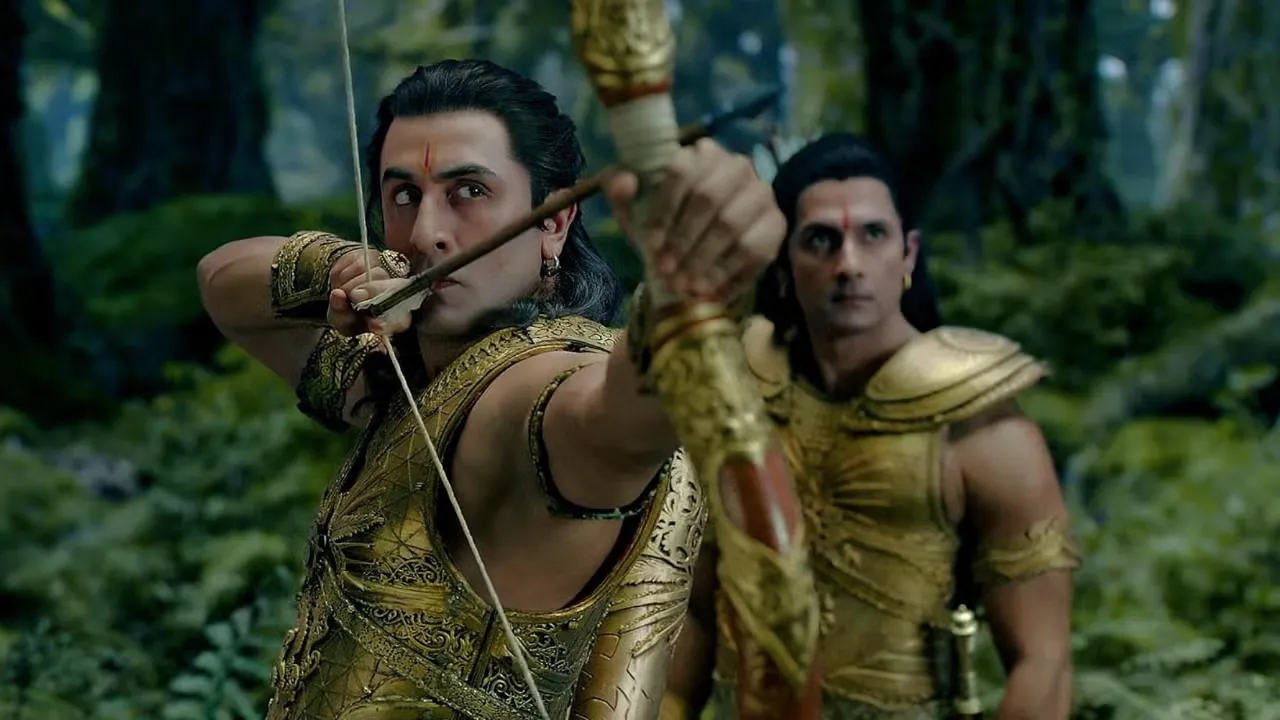
Ranbir Kapoor as Rama: Kapoor opts for a deeply calm, graceful, and emotionally vulnerable interpretation. Rather than portraying Rama as an untouchable blue deity, Tiwari keeps his skin tone natural, grounding his divinity in his unyielding commitment to
dharma. While he occasionally feels a bit too passive in the slower middle sections, his emotional range during the heartbreaking exile sequence hits precisely where it hurts.
Sai Pallavi as Sita: Pallavi delivers pure perfection. Given true emotional agency by the writers, her Sita is dignified, strong-willed, and naturally expressive. She connects instantly with the audience, serving as the raw human heart of the story amidst a sea of digital green screens.
The Supporting Ensemble: Ravi Dubey brings a fierce, protective warrior energy to Lakshmana. Rakul Preet Singh’s brief appearance as Surpanakha is memorable and eerie, while veteran Arun Govil makes a poetic appearance as King Dasharatha.